

From Boarding House to Prairie Icon: The History of Colorado’s Bypassed Tarado Mansion
Drive I-70 east out of Denver long enough, and the mountains disappear, the exits spread out, and the land goes flat and quiet.
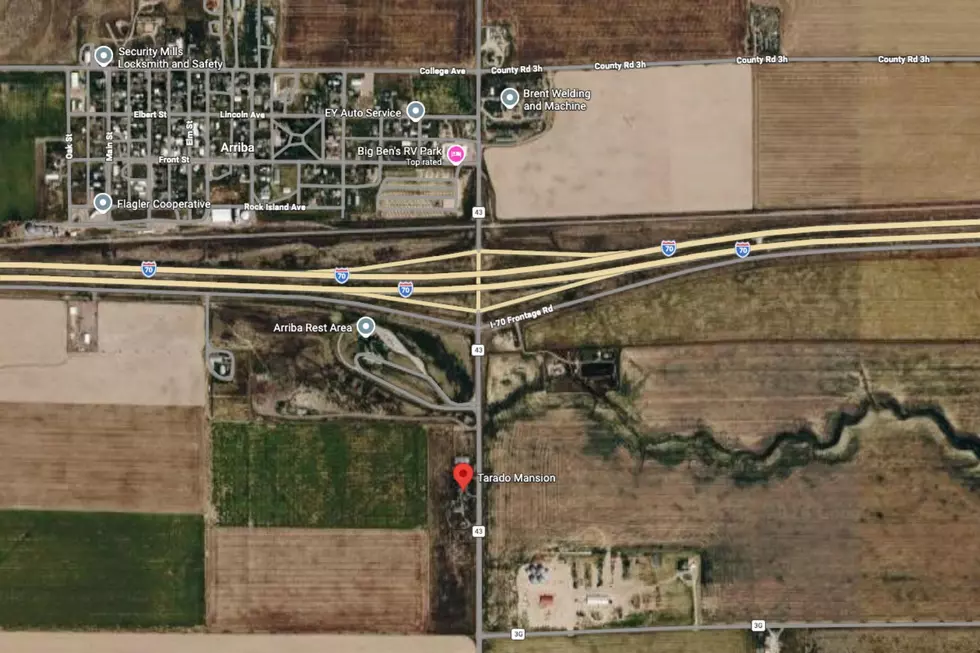
Then, right at the Arriba exit, something shows up that has no business being there: a sprawling white mansion with columns straight out of the Old South.
That's the Tarado Mansion, one of the most photographed, most misunderstood buildings in the state.

It Started as a Boarding House, Not a Mansion
Here's the twist: this place wasn't built to look like Mount Vernon. It became that by accident.
In 1907, Minnie Adams built a boarding house in Arriba with twenty-two small rooms, each barely big enough for a bed and a closet. Just a practical stopover for railroad travelers in a young prairie town.
Then the interstate came through and bypassed the original site.
Rather than close up shop, the owners dismantled the whole building, piece by piece, and hauled it to a new spot at the Arriba exit, rebuilding it on a fresh concrete foundation with a proper basement.
Somewhere in that rebuild, it picked up columns, an oversized roof cresting, and wings echoing the arcades on the real Mount Vernon. It had enough Southern plantation flair to earn a new name: Tarado, short for "Tara of Colorado," a nod to Gone with the Wind.
From Adams Hotel to Bed and Breakfast
For years, the building ran as the Adams Hotel and later as a bed-and-breakfast and restaurant, with a carriage house connected to the main building by an underground tunnel, a detail that alone fuels every rumor about the place.
According to local lore, travelers off the interstate stopped in for the night, and a few notable guests passed through over the years. At its peak, it sprawled over 9,000-plus square feet on nearly 14 acres. A massive operation for a town that's never had more than a couple hundred residents.
Read More: They Called it ‘The Rag’ but Las Colonias was the Heart of Grand Junction
Abandonment and the Legends That Followed
Eventually the doors closed for good, and once a building that size sits empty out on the plains, the stories write themselves — hidden tunnels, squatters, vague "something happened here" whispers. None of it is confirmed history, just the kind of legend every old abandoned hotel picks up eventually.
What is confirmed: the mansion is private property, fenced off, and not open for exploring. Trespassing gets people hurt or arrested, and it's not worth it. Do what most road-trippers do: pull off at the Arriba exit, admire it from the road, and leave it at that.
Why It's Worth Knowing About
There's real respect due here. A hundred-plus years ago, somebody built a boarding house in the middle of nowhere, and when the highway moved, they picked the whole building up and moved it too instead of giving up.
That's the stubborn, make-it-work spirit this part of the country was built on.
These days it's also become a genuine roadside icon, showing up on abandoned-Colorado lists and drive-by videos, keeping a little bit of Arriba's name on the map.
Next time you're grinding through that stretch of I-70, watch for the exit. You'll know it when you see it.
Colorado History: The Story of Grand Junction's Sugar Beet Factory
History Lesson: Watson Island in Grand Junction Used to Be a Dump
Gallery Credit: Alicia Selin