

Colorado’s Dry Summer Ended With a Remarkably Wet September
Colorado’s severe drought has made 2026 a complicated year. A non-existent snowpack, months with very little rain, and a summer of extreme heat have left rivers and reservoirs at some of their lowest levels in memory.
And then, most of Southwestern Colorado had its wettest September in years. According to the National Weather Service, storms dropped several inches of rain across the San Juan Mountains, the Uncompahgre Valley, and even the Grand Valley. Here’s a closer look at what happened.

Southwest Colorado Got An Incredible Amount Of Rain IN September
Read More: When Will the First Fall Frost Hit Western Colorado?
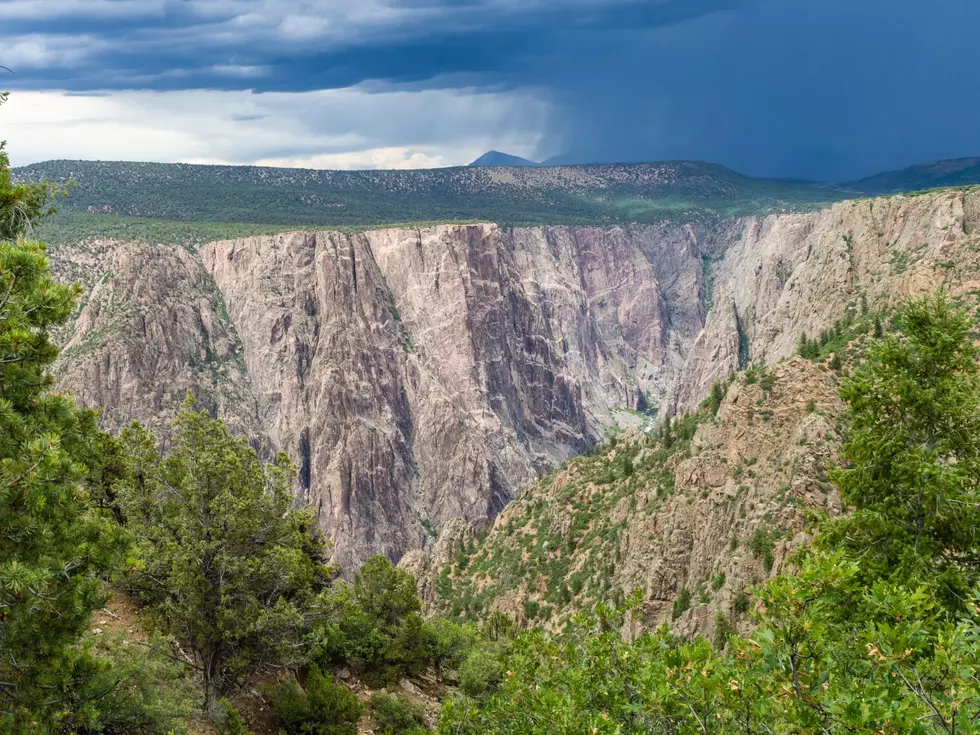
Rainfall totals tell the tale of a soggy September throughout Colorado’s San Juan Mountains. According to the National Weather Service, precipitation totals finished at 6.2 inches in Durango, 4.4 inches in Cortez, 3.4 inches in Telluride, 3.2 inches in Ouray, and 3 inches in Montrose. Durango’s total was three times the normal September amount. Some of Colorado’s tallest peaks got September snow, from Mount Sneffels to Pike’s Peak.
The Animas River Responded Quickly
The last of Colorado’s Monsoon rain combined with tropical storm systems from the Pacific Ocean moved northeast in late September, boosting rainfall in the Rockies. Remnants of the Category 5 Hurricane Polo and Tropical Storm Odalys merged with an existing low-pressure system and sent deep subtropical moisture directly into Southwest Colorado.
The impact of this moisture on rivers and reservoirs in Southwestern Colorado was easily seen. The Animas River and Vallecito Creek surged, while Vallecito Reservoir rose nearly 18 feet, gaining roughly 30,000 acre-feet of water. The rain increased water levels in several places, allowing Colorado Parks and Wildlife to lift voluntary fishing closures at 11 locations.
Grand Junction Still Has A Long Way To Go
Read More: WATCH: Video of Annoyed Colorado Weatherman Goes Viral
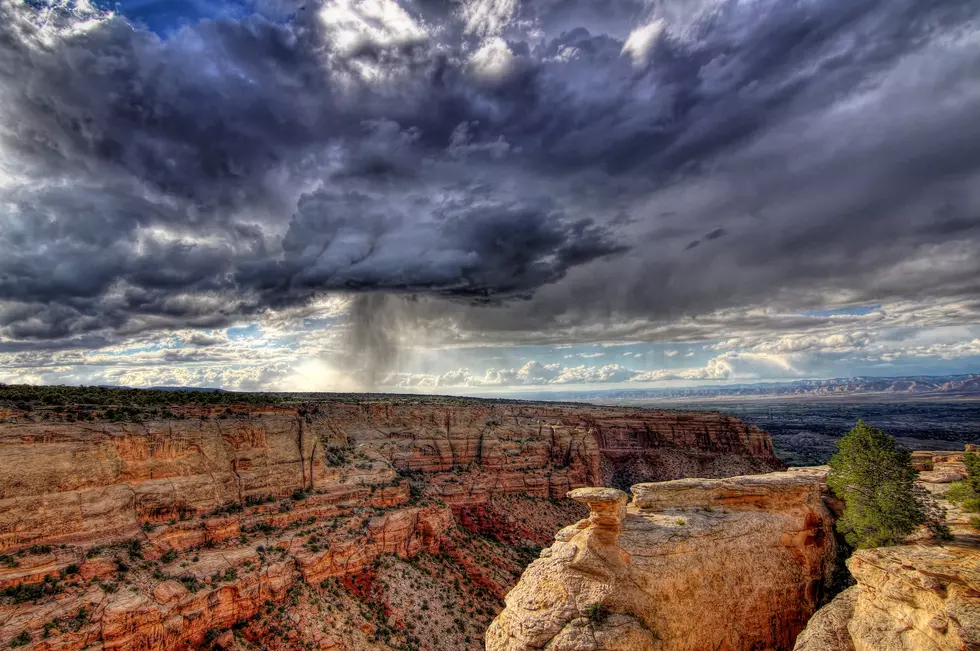
La Plata County got over 8 inches of rain. Archuleta County got 9 inches, and San Juan and Ouray Counties saw significant rainfall along with snow. In Grand Junction, September was the first time all year that the city met and exceeded any month’s average rainfall. We’ve been behind every month.
Grand Junction received 1.58 inches of rain in September. Most of the rain came down between the 15th and 20th. Remnants of Polo arrived in Colorado on 9/29. Grand Junction is at about 4.2 inches of precipitation for the year. It will take a lot to reach our 9.1-inch average before the end of December.
LOOK: Six Crazy Colorado State Weather Records that Still Stand Today
Gallery Credit: Wesley Adams
MORE: How to Protect Your Car from Colorado’s Harsh Weather Conditions Year-Round
Gallery Credit: Wesley Adams
KEEP GOING: When Does the First Snow Arrive In Grand Junction?
Gallery Credit: Wesley Adams